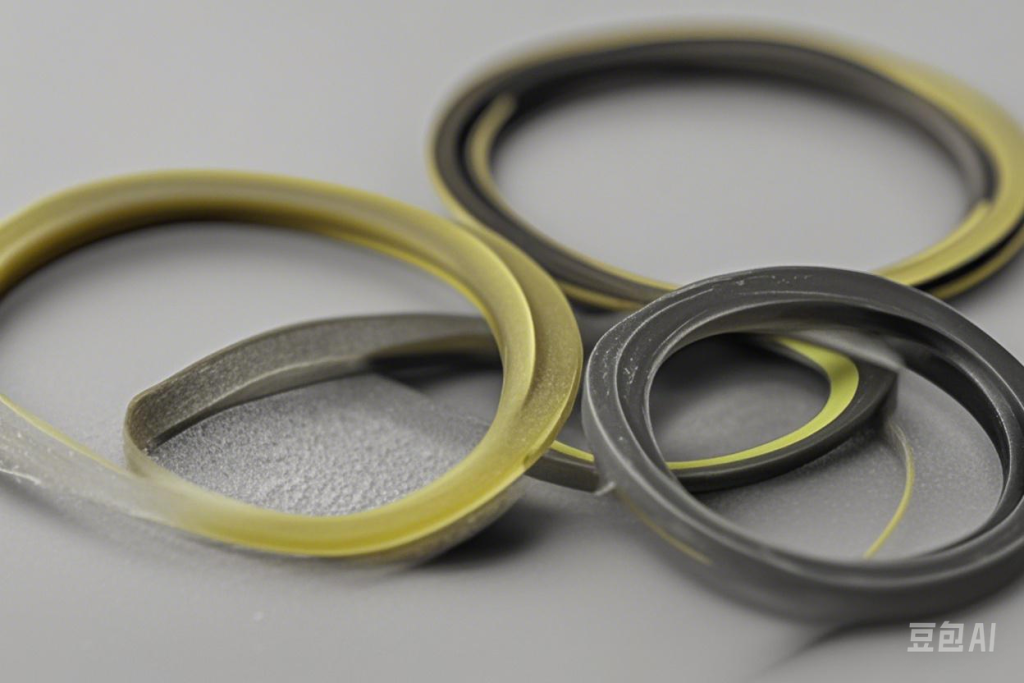
Embarking the herein exposition features observations addressing PDMS coupled with conductive silver rubber seals for EMI prevention.
Polymer silicone elastomers are frequently deployed for flexible tasks thanks to their remarkable durability and physical immunity. Yet, their intrinsic weakness of current carriage constrains the functionality in specific engineering implementations.
The embedding of electroconductive fluorosilicone manufacturer submicron particles, especially silver incorporated throughout the silicone polymer, constructs a complementary effect resulting in a conductive path structure providing robust EMI blocking.
The presented methods equip units to minimize detrimental electrical interference.
Safeguarding Micro Modules: An Duty of Silicone and Charge-transporting Seals
Robust covering of micro elements is paramount in challenging scenarios. PDMS, with its notable adaptability and physical persistence, extends impressive moisture seal properties. Nonetheless in cases needing electronically active operation, electrically components, often crafted from current conducting mixtures, remain required to minimize EMC static and ensure consistent functionality. A joining of PDMS & metallic pads constitutes a robust answer focused on achieving dependable functionality in sophisticated equipment.
RFI Attenuation Components: Increasing Output utilizing Current flowing Silver-based Rubber and polydimethylsiloxane
{Efficient signal pollution shielding gaskets represent fundamental for preserving sensitive circuit tools and configurations from unwanted broadcast channelled noise. Advanced designs often employ a blend of conductive Silicone SR and PDMS to achieve optimal results. Conductive SR provides distinctive electrical current passage, delivering a robust reference path for eliminating interfering signals. Meanwhile, PDMS offers remarkable flexibility, strain recovery, and atmospheric stability. Careful material evaluation and assembling techniques, such as a fine layer of SR within a PDMS matrix, optimize both shielding success and prolonged consistency.
- Evaluate multiple material combinations depending on task demands
- Confirm proper blocking load for persistent contact
- Assess seals systematically to check performance
The synergistic strategy brings about in EMI pads that provide peerless protection and sustainability.
Silicone elastomer Metallic SR Closures: Defending Electronics from Interference
For important electrical elements, radio frequency clutter could manifest as adverse effects, initiating to glitches and records corruption. Silicone polymer conductive silver-enhanced rubber gaskets afford durable consistent option through granting proven optimal screen versus analogous obstructions. Those pads, generally made comprising silicone elastomer composite material mixed by conductive granules, manufacture improved reduced impedance track leading to ground, eliminating signal noise together with radio range pollution output. An flexible setup permits reliable durable seal also across nonuniform substrates, allowing such membranes ideal in deployments throughout therapeutic systems, broadband architectures, and various manufacturing environments. Employing the Silicone elastomer electroconductive silver composite rubber interface acts as effective preemptive method designed to protect setup soundness with secure active robustness.
Enhancing Electronic Component Enclosure with PDMS-Based Signal Disruption Attenuation
Efficient technological element protection presents a crucial concern in advanced construction due to heightened signal interference. Silicone brings a distinctive approach when linked with electron-conductive inclusions to build robust EMI attenuation sheets. This strategy not only improves instrument efficiency but also reduces resulting threat of degradation originating from exogenous electromagnetic interference threats.
Electron Flow-Based SR Boost in PDMS Closures for Improved EMI Protection
Enhanced interfaces fabricated from polydimethylsiloxane (PDMS), incorporating charge carrying fillers, reveal significantly improved defense potential against electromagnetic interference (EMI). The amalgamation of materials like carbonaceous nanotubes or nickel flakes provides a passage for electron flow flow, thereby creating a more solid electromagnetic barrier. This conductive enhancement in gasket workability is critical for vulnerable electronic components requiring outstanding EMI protection in various areas. This model offers a viable alternative to standard metallic gaskets, particularly in malleable environments.
Deciding on the Right EMI Attenuation Gasket: PDMS vs. Conductive SR Options
Opting for apt electromagnetic defense seals involves intense evaluation of different factors. Customarily, current conducting Silicone Rubber (S.R) has served as a widespread option; however, Polydimethyl Siloxane elastomer (PDMSO) comes forth as a useful replacement, notably where squeezing dimensions are restricted or compound matching is key. PDMS provides improved compliance and allows accommodate narrower clearances, despite continuing exceptional shielding functionality.
State-of-the-art Covering Systems: Silicone compounds, Conductive Silicone rubber, and Electrical components Defense
Progressive covering systems are progressively fundamental for conserving high-precision hardware parts. dimethyl polysiloxane, with its superior adaptability and physical endurance, extends first-rate climatic blocks. Besides, electrically-conductive silicone rubber allows grounding removal, mitigating electrical damage cases. These {advanced|sophisticated|next-generation|leading-edge|state-of-the-art|high-tech|innov