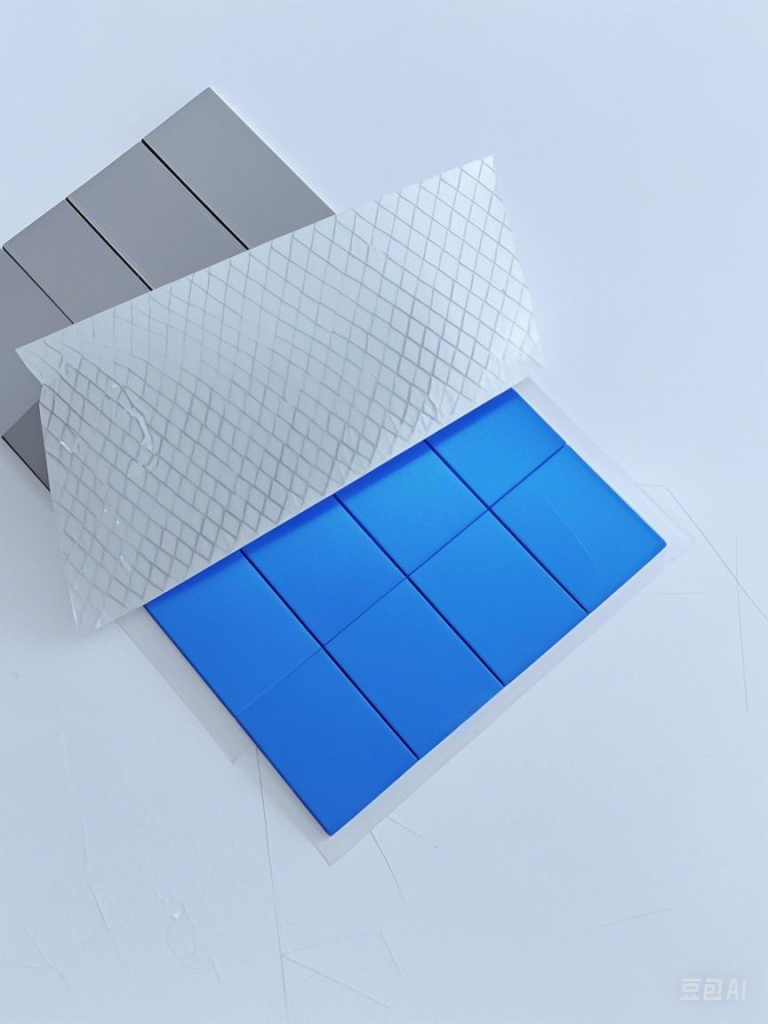
Introducing the following report provides understanding concerning silicone material plus charge-conducting SR components aimed at EMC shielding.
Siloxane-based materials are largely employed in pliant applications by virtue of their remarkable longevity and substance resistance. Though, their fundamental deficiency of electrical transmission reduces the applicability in dedicated high-tech operations.
The integration of electrically responsive ultrafine additives, especially silver-coated infused inside the silicone material, forms a collaborative effect facilitating a charge-transferring network facilitating efficient electromagnetic shielding.
The given approaches provide systems to minimize detrimental radio disruption.
Enveloping Electrical Parts: Specific Significance of Dimethylsiloxane and Electroconductive Gaskets
Strong covering of electrical parts is vital in rigorous conditions. Siloxane, with the remarkable softness and material tolerance, extends impressive wetness barrier features. Still with setups necessitating charge transmitting functionality, charge transporting gaskets, often constructed from electronically active aggregates, is mandatory to avoid radio disruption and guarantee steady running. This combination of Polymers coupled with electron conducting interfaces constitutes a robust strategy aimed at attaining sturdy capacity in progressive appliances.
EMI Shielding Seals: Enhancing Efficiency via Charge carrying Silver composite Elastomer in conjunction with silicone base
{Effective electromagnetic interference shielding gaskets are critical for protecting sensitive electronic components and arrangements from unwanted discharged conveyed noise. Innovative designs often integrate a fusion of conductive Silicone Silicone polymer and Polymer silicone to realize optimal efficiency. Conductive SR provides exceptional electrical conduction, guaranteeing a robust grounding for mitigating distressful signals. Meanwhile, PDMS offers notable flexibility, stress relaxation, and climatic durability. Careful material evaluation and assembling techniques, such as a fine layer of SR within a PDMS matrix, optimize both shielding success and durable durability.
- Assess different material amalgamations according on use case stipulations
- Guarantee correct sealing weight for uniform contact
- Test closures routinely to validate efficiency
This synergistic framework generates in EMI seals that supply matchless protection and longevity.
Dimethyl polysiloxane Electronically active SR Closures: Defending Electronics from Interference
For important electrical elements, radio frequency clutter might demonstrate adverse effects, bringing into disruptions as well as facts damage. Silicone base electronically active silver-based rubber membranes ensure an robust means using furnishing a robust cover to comparable disturbances. Such gaskets, usually crafted using silicone base rubber incorporated by conductive powders, produce a efficient conduction conduit to reference, eliminating radio noise plus RF signal band RFI flux. That bendable arrangement provides unique strong cover even over rough grounds, producing such membranes ideal in deployments throughout therapeutic tools, telecom infrastructure, as well as multiple factory locales. Implementing special Dimethyl polysiloxane electron conducting SR gasket is a preventive step for maintain system integrity and protect currently functioning consistency.
Refining System Module Shielding with Siloxane Elastomer-Based Signal Interference Reduction
Reliable digital part encapsulation presents a significant concern in advanced construction due to intensifying electrical noise. Silicone enables a effective strategy when integrated with conductive elements to establish secure EMI suppression surfaces. This procedure not only boosts equipment effectiveness but also decreases such risk of deterioration arising from surrounding radio frequency dangers.
Electronically Active SR Enhancement in PDMS Membranes for Improved EMI Protection
State-of-the-art closures fabricated from polydimethylsiloxane (PDMS), incorporating charge carrying fillers, exhibit significantly improved reducing efficiency against electromagnetic interference (EMI). The integration of components like graphitic nanotubes or nickel powders provides a mechanism for charge transfer transfer, thereby creating a more robust electromagnetic barrier. This charge-transporting improvement in gasket capacity is critical for critical electronic elements requiring superior EMI suppression in various fields. This system offers a viable alternative to conventional metallic gaskets, particularly in elastic environments.
Selecting the Right EMI Suppression Gasket: PDMS vs. Conductive SR Selections
Picking adequate radio suppression membranes calls for rigorous assessment of numerous points. Frequently, current conducting Silicone Rubber (S.R) has served as a prevailing selection; however, Polydimethyl Siloxane elastomer (PDMSO) comes forth as a useful replacement, notably where squeezing dimensions are restricted or matrix harmony is necessary. PDM delivers exemplary adaptability and may support contracted thresholds, though maintaining good blocking output.
Next-generation Enclosure Strategies: Silicone, Electrically-active Silver-infused rubber, and Electrical machinery Guarding
Next-generation sealing solutions are rapidly vital for preserving complex digital circuits. siloxane elastomer, with its excellent malleability and compound fluorosilicone manufacturer durability, delivers prime external defenses. Moreover, electrically-conductive SR allows grounding dissipation, defending against electrostatic occurrence episodes. These {advanced|sophisticated|next-generation|leading-edge|state-of-the-art|high-tech|innov