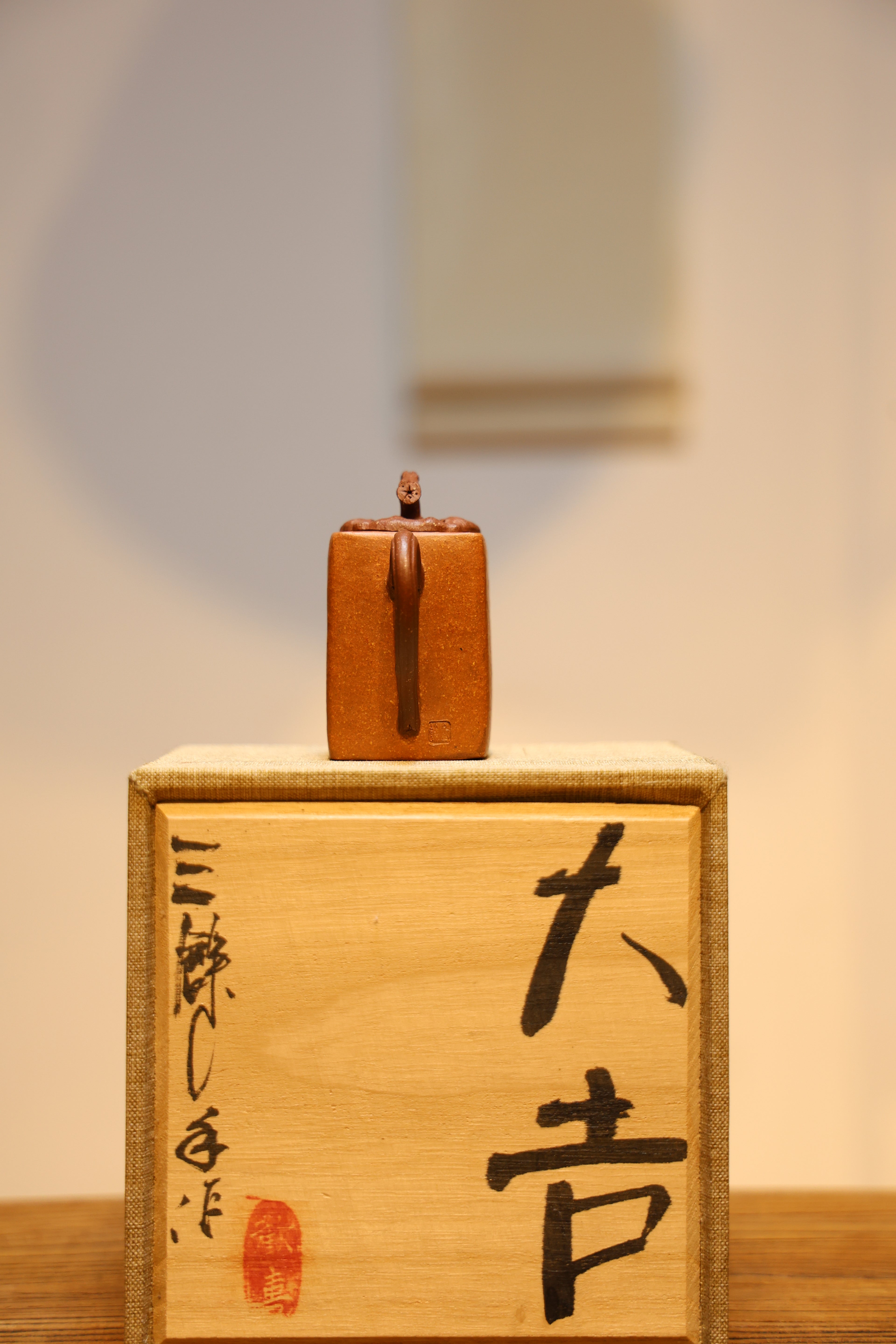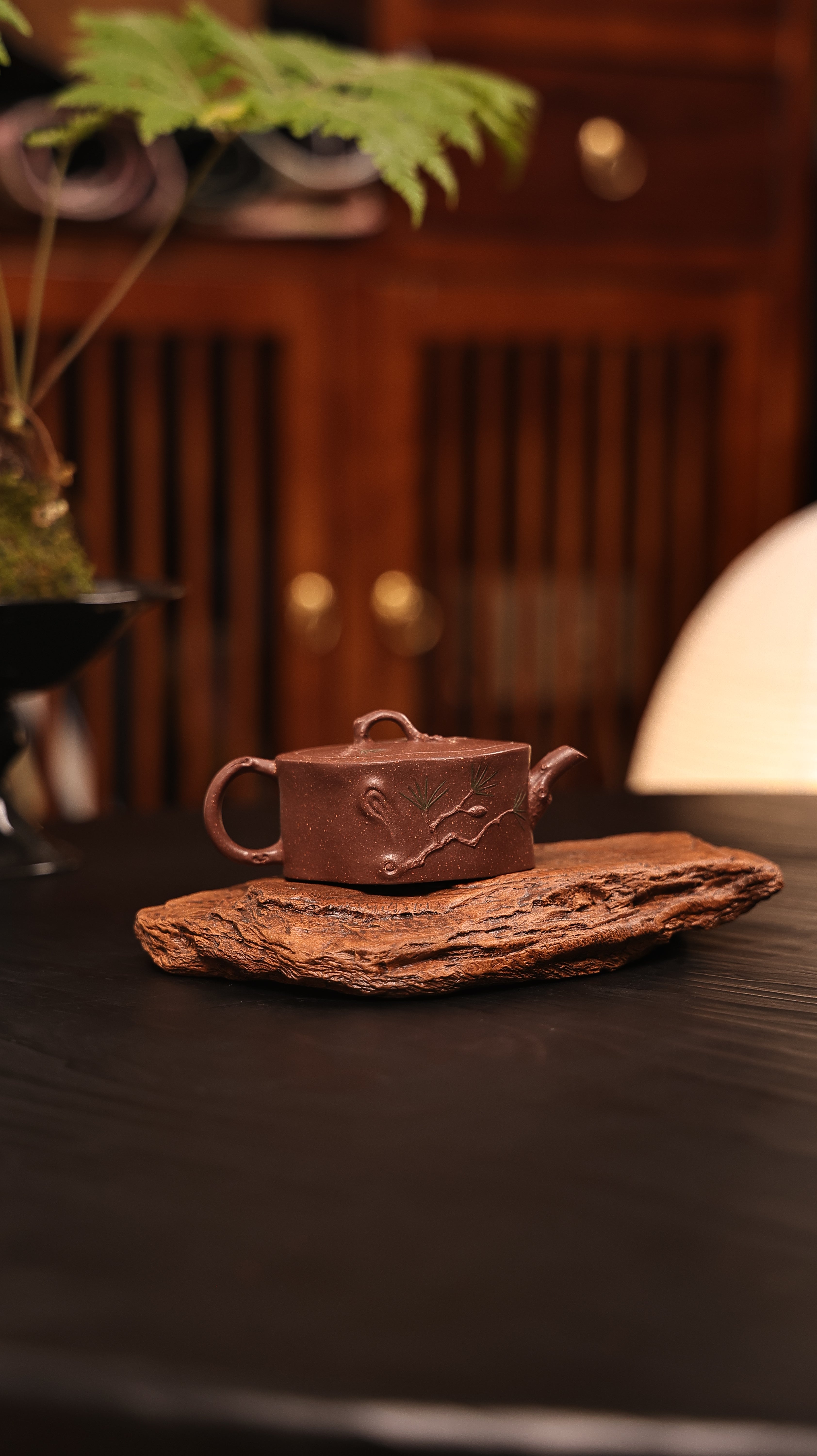
Ages of collectors have long cherished the unique appeal of Yixing Zisha pots. Originating in the picturesque town of Yixing, China, these amphorae are created from a scarce and dug purple clay famous for its remarkable thermal properties and facility to intensify the essence of infusions. Beyond their serviceable asset, Zisha teapots reflect a rich legacy foundation, turning them extremely admired and a legitimate find for any dedicated teapot collector.
Investigating Yixing Clay Pots
Famous teapots demonstrate a noteworthy synthesis of history and masterful craftsmanship. Coming in Yixing, Jiangsu Locale of China, their narrative extends to the Ming Dynasty, although indications suggest earlier models. The distinctive purple clay, called Zisha, found specifically in the Yixing region, is the key component, contributing to the pots' notable heat preservation and the manner they control the profile of tea. Successive eras of potters have improved techniques—often inherited through families—including sculpting the clay, applying elaborate embellishments, and firing the pots at deliberate temperatures.- Originally, Yixing teapots were often trimmed with simple designs.
- Afterwards, more ornate carvings and representative motifs became popular.
- The oven firing itself is a crucial element, requiring extended spans of skill.
Acquiring Zisha Teapots: Vital Considerations
Initiating a campaign to acquire Zisha kettles can be rewarding, but it’s vital to appreciate what to search for. Authenticity is critical; focus on the clay’s natural tint, a understated reddish-brown is usual. Examine the quality; genuine Zisha has a remarkable tactile sensation, often defined as slightly grainy. The morphology should be aesthetically sound and consistent with time-honored styles, while seals, if present, require careful examination for validity. Don’t resist to consult with qualified collectors or trusted resources – their understanding is critical.
The Earthenware: Investigating the History of renowned Zisha
Years have seen Yixing Purple Earth teapots possess a notable role in Chinese arts. These artfully designed pots, sourced uniquely from the district of Yixing, are acclaimed for their characteristic complexion, nature, and their ability to heighten the aroma of tea. Numerous collectors pursue Yixing Teapot antique Yixing teapots, regarding them immensely not only for their aesthetic attractiveness, but also for the background they reflect.
Yixing Zisha Teapots: Exceptional Ultimate Selections and Their Properties
Zisha Ware teapots, rooted in the renowned district of Yixing, the country, are noted for their special clay and superb brewing qualities. Among the countless Zisha types, notable classes that are highly admired include Huiwan. Binzhou, known for its dark purple shade and smooth texture, delivers a tempered flavor. Duan Ni category, recognizable by its auburn color and mildly grainy feel, is said to enhance tea’s heft. Lastly, Zhuni sort boasts an extraordinary scarlet tone and can impart a savory nuance. Each class presents a distinct experience, affording them exceptionally desirable for tea enthusiasts.
Understanding Personal Zisha Teapot
To realize the essence of your Yixing teapot, familiarizing oneself with the correct system is key. These clay pitchers, celebrated for their filtering ability, will slowly embrace the heart of the tea you brew within them. Begin by purifying the vessel thoroughly with steaming water. Then, use only fine whole leaf tea, as lower quality options can impair the teapot’s delicate flavor profile. Always permit the leaves to open completely, and remember that with each preparation, your Yixing vessel will become continuously special.
Securing Your Priceless Zisha Keepsake
Proper treatment for your Zisha teapot is important to preserving its quality and value. Zisha clay, famed for its unique hue and consistency, requires considerate handling. Never use severe formulas, as these can affect the veneer. After every session, rinse the container with warm water and allow it to dehydrate completely.
- Resist soaking the vessel for extended phases.
- Occasionally use a soft piece of cloth to refresh the exterior.
- Explore applying a thin layer of food-grade grease inside the jar after drying, which can reduce staining.
Introduction to Yixing Earthenware
Yixing earthenware, originating from the Yixing sector in Jiangsu Province, within China, are celebrated for their distinctive properties. Fabricated from the unique purple soil known as Zisha, these jars are prized by liquid enthusiasts worldwide. This guide will gently explain the essentials – covering categories of Zisha clay, common shapes, and crucial care notes. Understanding the roots of Yixing teapots can improve your appreciation for this time-honored example of Far Eastern civilization.
Fabrication of Chinese Vessels: Spotlighting Zisha found in Yixing locality
Zisha compound from Yixing represents the height of Zhongguo earthenware design, exhibiting a exclusive compound of elemental beauty and valuable artistry. These celebrated pieces are honored for their rich color palettes, often ranging from dark purples and brown hues to gentle greys and pale beiges. The particular mineral composition of the regional Zisha earth imparts a typical texture and produces a pleasing aroma that enhances the overall extract experience, affording them exceptionally admired collectibles and key components of any serious practice.